
Corporate Earnings Hit as Strikes and Labor Shortages Worsen
Escalating labor issues, including shortages and strikes, are increasingly impacting corporate profits across a range of industries. The likelihood of continued wage increases further compounds these challenges, potentially squeezing margins and contributing to inflationary pressures. The concerning trend is being evidenced by several prominent companies, signaling a persistent and potentially long-term shift in the business landscape. Among the most recent examples is Brinker International Inc., the parent company of the Chili’s restaurant chain, whose stock plunged as much as 12% in early Wednesday trading following a disappointing earnings report. The decline underscores the significant headwinds faced by the restaurant sector due to exacerbated labor and commodity challenges, largely attributed to the ongoing COVID-19 surge that began in August.
The challenges confronting Brinker are not isolated. A broader trend is emerging, with numerous firms reporting earnings characterized by labor difficulties. Transportation giant JB Hunt Transport Services Inc., the country’s largest long-haul trucking company, alongside financial institution JPMorgan Chase & Co., are among those grappling with persistent labor problems. Analysis reveals that in the period between October 4th and October 15th, a staggering 23 S&P 500 companies highlighted labor concerns as a top priority, double the number that cited supply-chain worries – specifically logistics and port congestion, according to observations relayed by RBC strategist Lori Calvasina. This data highlights the shifting priorities of corporate leadership and the tangible impact of broader economic forces.
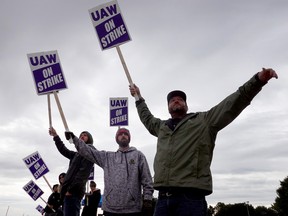
Companies are proactively responding to these labor dynamics, with strategies focused on increased hiring and retention efforts, alongside attempts to stabilize the supply chain environment. JB Hunt, for example, stated that it is “not insulated from the labor dynamics mentioned above for our customers,” emphasizing its responsiveness to the market. Similarly, JPMorgan Chase & Co., through the comments of CFO Jeremy Barnum, identified “labor inflation” as a key area of monitoring. Moreover, a consistent upward trend in starting wages is occurring across sectors, further fueling the concerns surrounding labor costs. This situation is further complicated by a series of strikes, a phenomenon largely absent from the labor landscape for years. The agricultural machinery manufacturer, Deere & Co., is currently embroiled in its first major labor action since 1986, while striking cereal-plant workers have hampered the shares of food giant Kellogg Co. The increasing influence of employees and the potential for broader labor unrest represents a significant development with potentially far-reaching implications for investors.
Analysts point to the demand for increased inventory levels across the entire system as a key driver pushing companies to address labor challenges. JB Hunt expressed that “dialogue with our key customers reveals both a challenged labor market and a pent-up need to increase the in-stock levels across the system,” showcasing a strategic response to market conditions. The company has also reported reaching all-time highs in the demand for company drivers across all segments, alongside openings within its office and field teams. JPMorgan Chase & Co. acknowledged similarly, with its CFO commenting on the “watch item” of labor inflation. The confluence of higher wages and ongoing labor instability is creating a complex and demanding environment for businesses.
Ultimately, the shifts towards growing employee power are beginning to rattle a broadening pool of investors. The Brinker International story, along with those of JB Hunt, JPMorgan Chase, and other affected companies, underscores the severity of these labor challenges and the strategic decisions that businesses are being forced to make in response. These observations were taken from a post on Bloomberg’s Markets Live blog, reflecting the insights of the blogger and not intended as investment advice.
