
British Columbia Port Strike Threat Lingers Amid Union Action
B.C. Ports Remain in Flux as Union Removes Strike Notice Amid Ongoing Dispute
British Columbia ports continue to face uncertainty following a dramatic turn of events, as the union representing approximately 7,400 workers unexpectedly rescinded its strike notice. The move, announced late yesterday, occurred hours after the union had issued the notice, highlighting the complex and fluid nature of the ongoing labour dispute between the International Longshore and Warehouse Union Canada (ILWU) and the BC Maritime Employers Association (BCMEA). The situation underscores the potential ramifications for national supply chains and the wider Canadian economy.
Prime Minister Justin Trudeau has significantly increased the federal government’s involvement in resolving the port impasse, convening an incident response group typically activated during “national crisis” situations or events with major implications for the country. This intervention signals the seriousness with which the federal government views the potential disruption to critical trade routes. The Prime Minister’s Office stated that Trudeau spoke with B.C. Premier David Eby, agreeing on the necessity of ensuring the stability of national supply chains.
The ILWU, in a statement, indicated that it had “removed” the strike notice, though offered no specific explanation for this sudden shift. The BCMEA characterized the move as “fluid and unpredictable,” reflecting the difficult circumstances surrounding the negotiations. Previously, the ILWU had issued a 72-hour notice, prepared to relaunch a strike at B.C. ports on Saturday. This followed the union’s caucus rejecting a tentative four-year deal reached by negotiators the previous week, bringing strike action to a temporary halt on July 13th. However, the union subsequently removed picket lines and returned to work after the Canadian Industrial Relations Board ruled that the 72-hour notice was required for the strike to be legally valid.
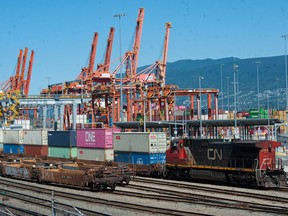
The initial strike, which began on July 1st and persisted for 13 days, disrupted operations at over 30 B.C. port terminals and other locations where ILWU members are employed—including the nation’s largest port, Vancouver. The disruption significantly impacted trade, with implications for various industries reliant on the ports. The ports, which handle an estimated $290 billion in goods annually, are pivotal to the Canadian economy.
The unexpected turnaround comes after weeks of intense negotiations and a tentative deal was initially struck but then rejected by the union. While the IRB’s ruling regarding the 72-hour notice adds a layer of legal complexity, it remains unclear what ultimately prompted the union’s decision to withdraw the strike notice. The situation at the ports remains delicate, and the potential for further disruption continues to loom. Government officials and industry stakeholders are closely monitoring developments as they seek to navigate the complex labour dispute and safeguard the stability of Canada’s vital supply chains.
