
Trump’s Border Wall Standoff Could Trigger 2019 Government Shutdown
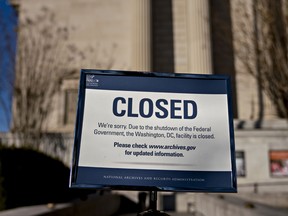
The U.S. government faces a prolonged shutdown as of Friday, January 4th, 2019, due to a standoff between President Donald Trump and Democratic leaders over funding for a border wall and immigration reform. The impasse, already entering its third day, is expected to continue through much of the year, impacting federal employees, government services, and the U.S. economy. President Trump has threatened to close the U.S.-Mexico border entirely if Congress doesn’t provide the funds he seeks for a border wall, a key campaign promise. This threat follows a week-long partial government shutdown that appears likely to persist.
The core of the dispute centers on funding. The administration is demanding $5 billion for the construction of a wall along the U.S.-Mexico border, while Democrats argue that the spending is wasteful and ineffective. The government shutdown occurred because Congress was unable to pass legislation funding nine government departments, including Homeland Security, which is responsible for border security. Both the House of Representatives and the Senate held brief sessions on Thursday, but were unable to reach an agreement. No votes were held.
The potential impact of the shutdown is significant. Thousands of federal employees, including Customs and Border Protection agents, are working without pay, while park rangers, inspectors, and other government workers are furloughed. This impacts not only those employees but also their families. Beyond the immediate economic consequences for federal workers, the shutdown is disrupting government services, including flood insurance policy issuance through the National Flood Insurance Program, and is hindering investigations conducted by agencies such as the Securities and Exchange Commission. Agencies are reporting delays in processing applications, and many services are temporarily unavailable.
Democrats have repeatedly rejected the administration’s demands, arguing that the spending is misguided and that a more sensible approach would focus on border security without prioritizing a wall. They have offered Republicans three options to reopen government funding, all of which include billions of dollars for border security, but not the $5 billion for the wall. The standoff underscores the deeply partisan divisions within Congress and the challenges of reaching a compromise. As of Friday, the future of the government remains uncertain, and the economic and practical consequences of the shutdown are likely to continue throughout the year. The disagreement highlights the difficulties in reaching an agreement on immigration policy, a central issue in the current political climate.
