
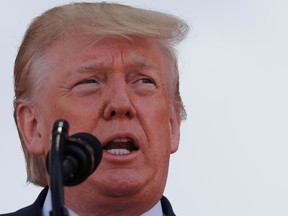
Trump Threatens Tariffs Over Stalled Mexico Trade Talks
President Donald Trump announced Wednesday that “not nearly enough” progress had been made in negotiations with Mexico regarding the flow of undocumented migrants and illegal drugs, significantly increasing the likelihood of the United States imposing tariffs beginning next week. The developments followed a day of intense discussions at the White House, involving U.S. and Mexican officials, and highlighted a growing divide in the approach to addressing the border situation. U.S. officials held discussions with Mexican representatives, aiming to mitigate the influx of migrants and curb the illicit trade of drugs. However, differing priorities and a lack of immediate consensus led to a stalemate, prompting Trump to signal a shift toward a more forceful strategy.
The deliberations at the White House concluded with a recognition that the terms of agreement were not satisfactory. U.S. border apprehensions for the month of May reached 133,000, largely due to actions by Mexico and the Democratic Congress’s failure to enact comprehensive immigration reform. This figure represents a significant increase compared to previous months. U.S. Customs and Border Protection reported that more than 144,000 individuals were apprehended or denied entry during May, a figure that has climbed steadily since January, marking the highest monthly apprehensions in at least five years. The vast majority of these apprehensions involved families and unaccompanied minors seeking asylum, placing considerable strain on the U.S. immigration system’s capacity for humane detention and care.
In response to the stalled negotiations, President Trump signaled his intention to proceed with the planned tariffs, initiating a 5-percent tariff on all imports from Mexico. This tariff was initially scheduled to take effect on June 10, with monthly increases planned to reach a maximum of 25 percent on October 1. The imposition of these tariffs would affect a wide range of goods imported from Mexico, the second-largest source of U.S. imports after China. The White House’s move follows a growing sense of frustration among Republican lawmakers and administration officials who contend that Mexico has not taken sufficient steps to address the border situation. The impending tariff threat has also cast a shadow over the future of the updated North American Free Trade Agreement (USMCA), a key legislative initiative of the Trump administration that is already facing challenges within Congress.
The implications of the potential tariff implementation extend beyond trade relations. Financial markets reacted adversely to the news, with the Mexican peso falling by more than 1 percent against the U.S. dollar. Several credit rating agencies responded to the escalating tensions, issuing negative outlooks on Mexico’s sovereign debt. Moody’s Investors Service downgraded Mexico’s outlook to negative, while Fitch Ratings lowered Mexico’s sovereign rating from BBB to BBB+. These downgrades reflect concerns about the potential economic consequences of the tariffs. The White House’s demands for immediate action by Mexico – including accepting asylum seekers, bolstering border patrols, and strengthening checkpoints along the migrant route – have created a significant point of contention.
Senior administration officials, including Trade Advisor Peter Navarro, have outlined specific conditions Mexico must meet to avert the tariffs. These include Mexico’s immediate acceptance of asylum seekers and increased enforcement of its own southern border. The administration’s strategy reflects a belief that Mexico has not been engaged in a genuine effort to curb the flow of migrants and drugs. Republican lawmakers, including Senate Majority Leader Mitch McConnell, have urged Trump to delay the tariff implementation until he can personally present the administration’s case to Congress. The administration’s approach has been described as confrontational, emphasizing the need for Mexico to take “decisive measures” to address the border crisis.
The situation underscores a complex and escalating challenge for both the United States and Mexico. The White House’s determination to implement tariffs reflects a strategy aimed at applying pressure on Mexico to alter its approach to immigration and drug trafficking. However, the potential economic repercussions of the tariffs, as highlighted by the downgrades in credit ratings, could have significant consequences. The negotiations continue to be characterized by a deep divide regarding the urgency of the problem and the appropriate solutions. Reaching a mutually agreeable resolution remains a significant hurdle, and the future of trade relations between the two countries is uncertain.
