
Canada Business Sentiment is rising, potentially delaying interest rate reductions by the Bank of Canada.
Canadian businesses are reporting a subtle but significant improvement in sentiment during the third quarter, a development that has lessened the pressure on the Bank of Canada to adjust its monetary policy. This positive shift is largely fueled by strengthened investment intentions and a decline in credit-related concerns. However, regional differences remain pronounced, with the Prairies continuing to experience negative sentiment.
The Bank of Canada’s autumn survey of executives revealed a moderate outlook for future sales, complemented by robust spending plans outside the prairie provinces. Input prices are showing signs of moderation, and inflationary expectations are restrained. Despite concerns about potential negative impacts from slower economic activity in the United States, Canadian businesses are demonstrating resilience. Specifically, positive views in Central Canada are contrasted with widespread weakness in the Prairies, indicating a geographically diverse economic landscape.
Businesses are citing several key factors supporting sales, including immigration and strong activity in the information technology and non-residential construction sectors. Notably, companies operating within the energy sector anticipate sales to no longer fall, or only recover slightly. This suggests a stabilizing influence in a traditionally volatile industry. However, the survey indicates a weakened expectation of U.S. economic growth, with some businesses anticipating a “small” recession over the next 12 months, highlighting continued uncertainty in the broader economic environment.
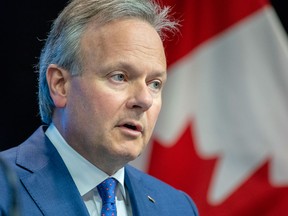
Key insights from the Business Outlook Survey emerged, underscoring the importance of this data alongside traditional economic indicators. The Bank of Canada Governor, Stephen Poloz, places significant weight on this survey, viewing it as a crucial supplement to broader economic data. The survey’s findings align with existing data, suggesting that the economy remains reasonably healthy. This alignment is preventing the Canadian central bank from mirroring easing trends seen in other advanced economies.
The survey’s indicator rose to 0.4 from -0.1, positioning it slightly above the 10-year historical average but still below the 2018 peak, suggesting a moderately optimistic outlook. Stronger sentiment among firms in Quebec and Ontario is linked to heightened demand driven by immigration, as well as activity in the information technology and non-residential construction sectors. Conversely, the Prairies are experiencing continued challenges in the energy sector, with firm responses to business activity, capacity pressures, and prices in the region deteriorating to low levels. A majority of businesses still anticipate inflation to remain within the Bank’s 1 per cent to 3 per cent inflation-control range over the next two years, although Quebec stands out, citing rising labor costs stimulating inflationary pressures. Furthermore, business intentions regarding hiring are robust in Central Canada and British Columbia, while limited hiring plans in energy-producing regions have driven down employment intentions below the historical average. These divergent patterns underscore the need for a nuanced understanding of the Canadian economy.
Ultimately, the positive shift in business sentiment, coupled with a stable inflation outlook, provides the Bank of Canada with fewer reasons to intervene with interest rate adjustments. The survey’s data continues to support a cautiously optimistic economic assessment, as Canadian businesses navigate a complex and evolving global landscape.
