
Canadian Economy Faces Years of Recovery After Pandemic Downturn
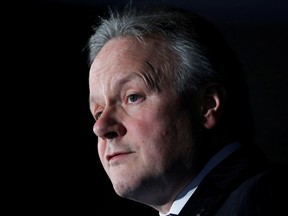
Ottawa — The Canadian economy faces a lengthy recovery period following the coronavirus outbreak, with Bank of Canada Governor Stephen Poloz estimating it could take two to three years to fully recover the ground lost due to business and industry shutdowns. Speaking on Thursday before the House of Commons finance committee, Poloz stated that the economy is projected to experience a contraction of between 4 and 6 percent in gross domestic product for the year 2020. The governor’s assessment highlights the significant challenges facing the nation’s economic outlook as it navigates the unprecedented disruption caused by the global pandemic.
The Bank of Canada’s projections emphasize the prolonged nature of the economic headwinds. Poloz indicated that a full recovery will require an extended timeframe, acknowledging that precise timelines remain uncertain due to the evolving nature of the crisis. He stressed that the bank is prepared to monitor conditions closely and adjust its policies as needed. The central bank’s estimate underscores the severity of the economic downturn and the substantial effort required to stimulate growth and restore confidence.
Adding to the economic pressure, Poloz revealed that even without the coronavirus outbreak, the Bank of Canada would have already implemented interest rate cuts to mitigate the impact of collapsing crude oil prices. He stated that a reduction of at least 100 basis points would have been necessary solely due to the drop in commodity prices. Furthermore, he noted that the bank had previously reduced interest rates in 2015 when facing a similar commodity price shock. This historical context indicates that the current economic challenges are compounded by a pre-existing vulnerability, necessitating a more aggressive response.
To address the crisis, Poloz emphasized the crucial role of coordinated fiscal and monetary policy. He asserted that aggressive action by governments and central bank stimulus programs would lay the strongest possible foundation for economic recovery once the pandemic is contained. The governor also indicated that the Bank of Canada stood prepared to expand the scale of any of its existing programs if market conditions warranted it, demonstrating a willingness to provide further support to the economy. This underscores the central bank’s commitment to utilizing all available tools to mitigate the economic impact of the crisis.
The Bank of Canada’s actions reflect a proactive approach to stabilizing the economy. As of March, the central bank had already slashed its overnight interest rate three times, reducing it to a record low of 0.25 percent. This measure, combined with the expansion of the bank’s quantitative easing program, represents a significant intervention aimed at providing liquidity to the financial system. Looking ahead, Poloz’s assessment suggests that the road to recovery will be long and arduous, requiring sustained efforts from both the monetary and fiscal authorities. The projected two to three year timeline serves as a stark reminder of the economic challenges Canada faces and the need for continued vigilance and decisive action. The bank remains ready to adapt its strategy and scale its programs as conditions evolve. © Thomson Reuters 2020.
