
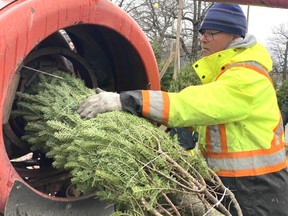
Christmas Tree Farmers Face Critical Shortage of New Blood
The Christmas tree industry is facing a significant challenge: a dwindling pool of farmers and a growing need for new blood to sustain the long-standing tradition of harvesting and selling these iconic holiday symbols. Across Canada, particularly in provinces like Ontario, Quebec, and Nova Scotia – which lead the nation in Christmas tree production – farmers are aging, and the young generation isn’t stepping up to take the helm. This decline in numbers, coupled with a shrinking acreage of Christmas tree farms – nearly 20,000 acres have vanished between 2011 and 2021, according to Statistics Canada – raises serious concerns about the future of this beloved industry.
The situation is acutely felt by individuals like Lloyd Smith, 64, who has spent the last fifty years cultivating balsam fir and pine trees. Smith, a dedicated farmer operating three farms in New Germany, Nova Scotia, finds satisfaction in his solitary work, singing and indulging in activities he chooses. However, he faces a stark reality. While his sales have seen a strong surge this year, up by a third to approximately 1,300 trees – far exceeding last year’s numbers – this success isn’t solely attributable to rising prices. Consumers are paying upwards of $75 for a standard-sized balsam fir in Ottawa, but Smith has managed to keep his six- and seven-footers at less than half that cost, just $30 a tree for the second year running. This resilience stems from decades of experience and a commitment to streamlined operations.
The decline in experienced farmers is a critical factor. As Smith and others reach retirement age, there are fewer individuals equipped to handle the demanding labor, which includes eight to twelve years of tree cultivation before they’re ready for sale. The industry’s aging demographic is particularly pronounced in Ontario, where two farmers who previously set up Christmas tree stands a few blocks from his, both died in the past five years, are no longer around. This dwindling presence leaves the industry vulnerable and relies heavily on the continued operation of dedicated individuals like Smith.
However, the industry isn’t entirely without support. Shirley Brennan, executive director of the Canadian Christmas Trees Association, highlighted the average age of a Christmas tree farmer as 65 to 85, emphasizing the urgent need to attract the younger generation. “How do we attract that younger generation is what we’re looking at now,” she stated. The association is actively exploring career days and outreach programs, targeting high schools and junior farmers, aiming to introduce them to the potential of Christmas tree farming. But despite these efforts, “I see this happening more in Ontario than anywhere else,” Brennan added, indicating a localized challenge.
To combat this decline and to ensure the continued survival of the industry, creative solutions are being considered. Brennan suggested diversifying farm operations, exploring options like lavender cultivation, hosting yoga retreats, or incorporating pumpkin picking activities. “As an association, we’re doing career days; we’re talking to younger people at high schools and junior farmers and letting them know that Christmas tree farming can be a very good option,” she said. Maintaining financial prudence, as Smith does, is also key. "You’ve got to keep yourself streamlined," he emphasized, emphasizing a need to "stretch every penny," a strategy essential for longevity in a demanding, seasonal business.
Despite the challenges, the industry is demonstrating some successes. Revenue has grown significantly, reaching over $100 million from $55 million in 2015, and Canada is exporting 2.3 million trees annually to the United States. This year, growers are capitalizing on this market, satisfying both domestic and export demands. Brennan noted that even before the pandemic, she was receiving calls from Toronto retailers seeking additional trees and experiencing shortages – a situation that hasn’t materialized this year. Moreover, despite rising costs – including a 50% increase in fertilizer prices in 2022 and soaring insurance premiums, particularly for cut-your-own operations – prices remain relatively variable, ranging from $65 to $300 depending on species and size.
The industry’s precarious position reflects broader economic factors. The increased price of farming, coupled with logistical complexities, is causing increased prices across the board. It is a future that requires careful management, smart innovation, and ideally, a new generation of farmers willing to embrace the work, the values, and the enduring traditions associated with cultivating and sharing Canada’s beloved Christmas trees.
