
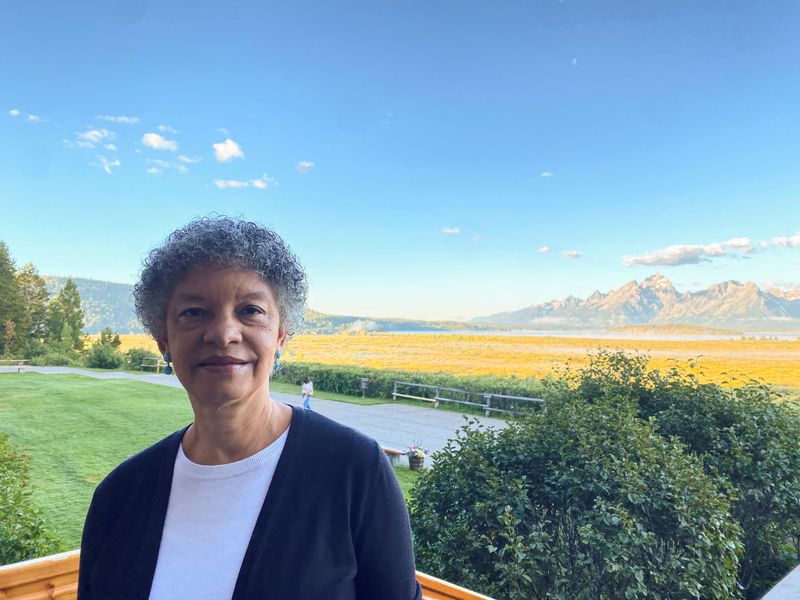
Federal Reserve’s Susan Collins Cools Rate Cut Talk
Federal Reserve Bank of Boston President Susan Collins Remains Skeptical About Need for Another Interest Rate Cut Despite Resilient Economy
Federal Reserve Bank of Boston President Susan Collins has expressed her thoughts on monetary policy in comments that suggest she remains cautious about the need to lower interest rates again at next month’s monetary policy meeting. According to a recent interview on CNBC, Collins stated that maintaining the current level of monetary policy is very appropriate given the current state of inflation and the economy.
Collins noted that the current level of restrictive policy has become "very suitable" in relation to where inflation currently stands. She further emphasized that this policy level will help ensure that as the tariff pressures pass through the economy, high inflation will eventually moderate. Collins’ views on monetary policy are not surprising given her position as a skeptic when it comes to lowering interest rates at the central bank’s December 9-10 meeting.
Some of the key points made by Collins in the interview include:
- The current state of the economy "makes me hesitant as I look forward to think about what the next policy move should be."
- Maintaining something close to the current level of monetary policy will help ensure that high inflation will eventually moderate.
- Collins is one of a number of skeptics on the Fed regarding the prospect of lowering interest rates at the central bank’s December 9-10 meeting.
The Impact of Tariffs on Inflation
Tariffs have been a point of contention in recent months, with many questioning how they would impact inflation levels. Collins noted that maintaining something close to the current level of monetary policy will help ensure that as tariff pressures pass through the economy, still-high inflation will eventually moderate. This is likely referring to the recent increase in tariffs imposed by the US on various countries and the subsequent pressure this may put on businesses.
In the interview, Collins mentioned that she would be watching the job market for signs of slowing if it were to negatively affect her monetary policy outlook. Collins’s views on the state of the economy are also influenced by the impact of the federal funds rate target range now at between 3.75% and 4%. Rate cuts were aimed at providing insurance for a softening job market, while at the same time putting continued downward pressure on inflation levels which continue to breach the Fed’s 2% target.
The Upcoming Monetary Policy Meeting
As the December meeting looms into view, a wide range of policymakers have expressed skepticism over a rate cut. That said, hopes for an interest rate cut got a shot in the arm from New York Fed leader John Williams, who spoke on Friday and nodded toward an easing. In contrast to Collins’ views, some researchers suggest that data could be even stronger than expected.
Background on the October Rate Cut
The mid-September meeting witnessed another rate cut, while the late October meeting also resulted in a reduction of interest rates to provide further insurance for the job market and put continued downward pressure on inflation levels. Despite some concerns surrounding these cuts, they have largely been seen as proactive measures by policymakers.
A Look Ahead at Potential Rate Cut
Despite recent rate cuts aimed at providing insurance for the economy, some policymakers remain skeptical about lower rates in December. The US is expected to release a host of economic data including gross domestic product numbers and manufacturing production prior to the meeting. At this point, there remains much uncertainty surrounding any further rate adjustments.
The Stock Market’s Hopes For Another Interest Rate Cut
It appears that at least some investors do not share Collins’ skepticism about an interest rate cut in December. This optimism is partly due to recent data that suggests a slowing job market could justify another rate reduction and stabilize the current situation with inflation.
How Will The Future Look?
Collins emphasized the need for policymakers to be prepared for potential risks ahead while continuing to prioritize the current goal of stabilizing the economy as it pertains to interest rates.
