
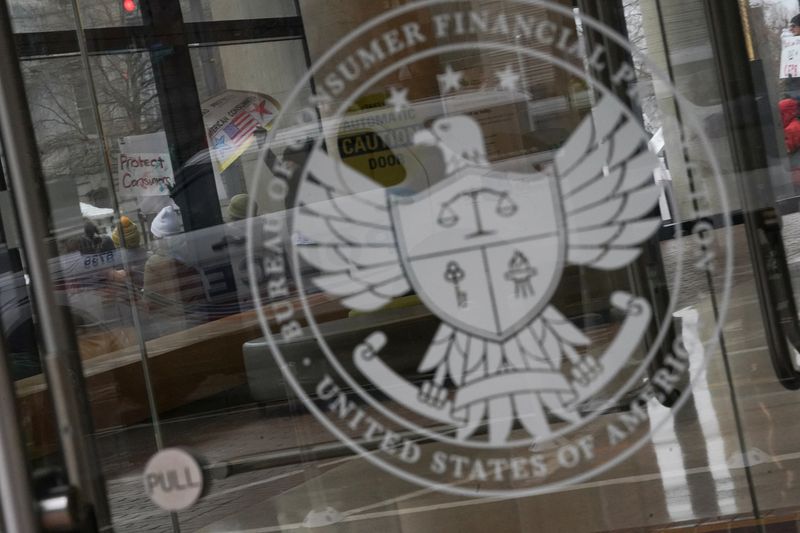
Judge Tosses US Rule Capping Credit Card Late Fees at $8
Federal Judge Throws Out CFPB Rule Capping Credit Card Late Fees at $8
A federal judge has thrown out a U.S. Consumer Financial Protection Bureau (CFPB) rule capping credit card late fees at $8, after the agency agreed with opponents that the rule adopted during President Joe Biden’s administration was illegal. This decision marks another blow to the CFPB’s efforts to regulate the financial industry and protect consumers from excessive fees.
CFPB’s Rule and Its Opposition
The CFPB’s rule aimed to cap late fees for credit card issuers at $8, unless they could prove that higher fees were necessary to cover their costs. The rule was part of Biden’s crackdown on "junk fees," which are often hidden or unexpected charges imposed on consumers by lenders, banks, and other financial institutions. The CFPB claimed that the rule would help reduce late fees for cardholders and hold credit card issuers accountable for imposing excessive fees.
However, a coalition of six business and banking groups, including the U.S. Chamber of Commerce and American Bankers Association, opposed the rule in court. These groups accused the CFPB of overstepping its authority and ignoring Congress’ intent that fees be high enough to deter late payments and compensate card issuers for their costs.
Judge’s Ruling and Its Implications
U.S. District Judge Mark Pittman, an appointee of President Donald Trump, agreed with both sides that the rule violated the Credit Card Accountability and Disclosure Act of 2009 (CARD Act). The judge ruled that the CFPB’s action was too drastic and would prevent credit card issuers from charging fees "reasonable and proportional to violations."
The joint request by the CFPB and the business coalition to scrap the rule was granted, effectively ending the $8 late fee cap for credit card issuers. This decision not only undermines the Biden administration’s efforts to regulate the financial industry but also marks a significant shift in favor of the Trump administration’s policy goals.
Trump Administration’s Agenda
The Trump administration has been reversing many Biden-era rules and policies that it considers unfriendly to business. The CFPB, in particular, has faced intense scrutiny and criticism from the Trump administration. In March 2024, the business coalition filed a lawsuit against the rule, arguing that the CFPB had overstepped its authority and ignored Congress’ intent on fee structures.
The judge’s ruling is seen as a significant victory for the business and banking groups, who have long argued that excessive regulation hinders their ability to operate profitably. However, consumer advocacy groups fear that this decision will allow credit card issuers to continue imposing excessive fees on unsuspecting consumers.
Impact on Consumers
The CFPB’s rule aimed to reduce late fees for cardholders and protect them from unfair practices by credit card issuers. However, the ruling throws out this regulation and allows credit card issuers to charge higher late fees. This decision is likely to affect millions of consumers who use credit cards and rely on these rules to protect themselves from excessive fees.
The consumer advocacy groups have expressed concern that the CFPB’s rule was essential in protecting consumers from predatory practices by banks and lenders. Without this regulation, credit card issuers may take advantage of consumers, passing on unnecessary costs that ultimately hurt both cardholders and financial institutions alike.
CFPB’s Struggle to Regulate the Financial Industry
The CFPB has faced intense resistance from financial industry groups and politicians since its inception in 2010. The agency has been targeted by various lawsuits and has seen its regulatory authority challenged in court several times. The dismissal of this rule underscores the ongoing struggle between the CFPB and the financial industry, with each side vying for power and influence.
Conclusion
The decision to scrap the $8 late fee cap throws out an essential consumer protection regulation, allowing credit card issuers to continue imposing excessive fees on consumers. This ruling will have far-reaching implications for both financial institutions and their customers, highlighting a fundamental flaw in the regulatory process that prioritizes corporate interests over those of individual consumers.
