
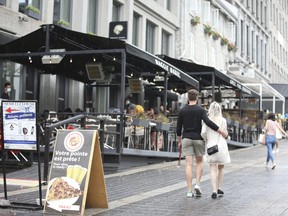
Montreal Launches Campaign to Bring Remote Workers Back Downtown
Montreal is embarking on a strategic “charm offensive” to revitalize its downtown core, a region grappling with significant challenges following the COVID-19 pandemic and a dramatic shift in work patterns. The city and its government officials are acutely aware of the 310,000 office workers who have largely remained away for the past 15 months, and recognize that fostering their return is vital to the survival of downtown restaurants and retail establishments. This renewed focus comes as Montreal emerges from a period marked by curfew restrictions, high vaccination rates, and a drop in new COVID-19 cases, creating a more favorable environment for economic recovery. However, the downtown area still faces headwinds, including a substantial commercial inactivity rate – currently standing at 34 percent in malls and 24 percent on Sainte-Catherine Street – alongside a notable decrease in transit ridership, which is down 81 percent compared to the previous year. The challenge is further compounded by a considerable number of office tenants seeking to sublet unused space.
The strategy centers on attracting workers back with a variety of incentives, ranging from art installations in office towers to outdoor work spaces, after-work events, and concierge services. To coordinate these efforts, the Chamber of Commerce of Metropolitan Montreal has been awarded $8.5 million from the Quebec government, in a campaign dubbed “I love working downtown.” Chamber President Michel Leblanc emphasized the initiative’s core objective: to encourage people to “say ‘I want to go downtown, I’m going to work and discover all that’s new, all that’s interesting.’” Leblanc highlighted that the main goal is to reignite a sense of “charm,” ultimately aiming to make downtown a vibrant destination and a place where people enjoy spending their time. The initiative recognizes the shift in workplace preferences and seeks to reposition the downtown core as an attractive location for work and leisure.
A key element of the revitalization plan involves addressing the concerns of workers, who have largely embraced remote work. Surveys have revealed a strong preference among the workforce for continued hybrid arrangements, with most employees indicating a desire to spend at least half of their workweek working from home. This reality has prompted employers, including large financial companies like Desjardins Group and Fiera Capital Corp., to reassess their office spaces and consider offering more flexible work arrangements. Chief Human Resource Officer Melanie McClure explained that despite the pandemic-driven shifts and expansion of the workforce to remote locations, the organization’s own employees expressed a clear preference for flexibility, with the majority stating they would only be returning to the office occasionally. This has led to a significant shift in priorities, and the company is now focusing on experimentation and collaboration as it determines the future of its office spaces.
Moreover, several employers are incorporating “perk” style amenities into their workplace to entice employees back, mirroring trends often associated with technology firms. These perks include curated social events, such as ‘5 to 7’ gatherings (“after-work drinks”) and services like errand assistance. Leblanc stated his observations, noting "Employees used to be told, ‘Good for you if you have 5 to 7 events,’ I think companies are now going to try to create these pleasurable moments themselves.” This recognition of the importance of fostering a positive work environment is a crucial component of the city’s revitalisation strategy. The shift has also prompted a renewed focus on attracting visitors and workers to Montreal’s vibrant cultural scene, leveraging its status as home to Cirque du Soleil and a hub for artistic innovation. The city has announced plans for summer activities in the downtown area, including pedestrian zones, communal relaxation “oases,” and performances by a variety of artistic groups.
The success of this "charm offensive" hinges on the city’s ability to adapt to the evolving needs and preferences of its workforce. Luc Rabouin, in his role as economic development officer for the city’s executive committee, underscored the need for a safe workplace, stating that it is a “factor of attractiveness.” He emphasized that the downtown atmosphere is a crucial element of the appeal, and that the presence of restaurants, patios, and cultural events is essential to encouraging workers to return. Rabouin’s comments reinforce the notion that creating a desirable environment is paramount, as it is what ultimately drives people to want to spend their time and money in the downtown core. The city’s commitment to support businesses and creating a dynamic destination positions it strategically within the broader Canadian economic landscape, focusing on attracting workers and visitors alike.
