
NAFTA Ratification Faces Uncertainty Amid Impeachment Push
The future of the North American Free Trade Agreement (NAFTA) hangs in the balance as the United States grapples with an impeachment inquiry against President Donald Trump and a heated election campaign. The U.S. Chamber of Commerce recently issued an urgent plea to policymakers, emphasizing the critical timing of the revamped NAFTA agreement. Neil Bradley, vice-president of the Chamber, stated that conversations with both Democrats and Republicans suggest a potential agreement is within reach for a vote. However, significant doubts persist regarding the deal’s prospects, with many analysts predicting its demise.
NAFTA’s Uncertain Future Amidst Political and Economic Pressures
The call for ratification comes amidst a turbulent political landscape. The Institute for Supply Management reported a manufacturing index of 47.8% in September, marking the lowest level since the 2009 recession and the second month below 50% – indicative of contraction, rather than growth. This downturn, coupled with the impeachment inquiry, has amplified skepticism about the U.S.’s ability to swiftly move forward with the agreement. Todd Tucker, a senior fellow at the New York-based Roosevelt Institute, voiced a blunt assessment: “The most likely outcome is it dies.” The confluence of factors – the impeachment proceedings, the election campaign, and the economic indicators – has created a highly volatile environment.
Political Roadblocks and Labor Concerns
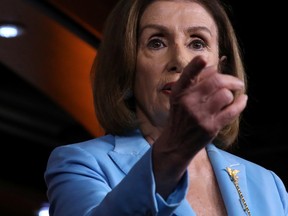
Several potential roadblocks threaten to derail the ratification process. House Speaker Nancy Pelosi is unlikely to risk a vote on the agreement before the Democratic-controlled Congress’s deliberations on the impeachment inquiry. While Pelosi has stated that the impeachment process is separate from the trade agreement, the timing of the inquiry significantly complicates the situation. The trade deal remains deeply sensitive, with union skepticism, a lack of broader support in Congress, and a desire to deny Trump a victory during the impeachment inquiry presenting formidable challenges. The United Auto Workers (UAW) strike against General Motors, for example, adds another layer of complexity. Their concerns about labor enforcement provisions within the agreement – issues that were a point of contention in the original NAFTA – are substantial, and the union’s continued strike makes the deal all but impossible to pass.
Analysis of Key Obstacles and Expert Opinions
Numerous experts have weighed in on the challenges, highlighting the need for a substantial majority of support, not just within the Democratic party, but overall. Dan Ujczo, a trade expert with the law firm Dickinson Wright, noted that Pelosi would require approximately 130 votes to feel comfortable moving the agreement forward. “They have nothing to do with each other,” Pelosi stated, reinforcing the idea of separating the two issues, however, the potential for division within the party remains a significant concern. Gary Hufbauer, a senior fellow at the Peterson Institute for International Economics, emphasized the critical role of key figures, specifically Elizabeth Warren and Joe Biden, in determining the deal’s fate. The uncertainties surrounding their positions – particularly regarding climate change provisions and potential conflict with Trump – are a major factor.
Canada’s Stance and the Timeline
Canada is closely monitoring the U.S. ratification process. Minister Chrystia Freeland has engaged in discussions with members of Congress, both Republican and Democrat, and maintains close contact with U.S. Trade Representative Robert Lighthizer. As of now, the timeline is rapidly approaching Halloween, leaving little room for maneuvering. Many believe a decision – whether to pass the deal or abandon it – will be reached by then. The pressure for a swift resolution is intense, given the looming election cycle.
Conclusion: A Deal in Jeopardy
Ultimately, the prospects for the ratification of the revamped NAFTA appear increasingly bleak. The confluence of political and economic headwinds – encompassing the impeachment inquiry, the impending election, economic indicators, and persistent political divisions – present significant obstacles. While efforts continue at both the U.S. and Canadian levels to move forward, the most likely outcome remains the demise of the agreement, leaving a significant question mark over the future of trade relations within North America.
