
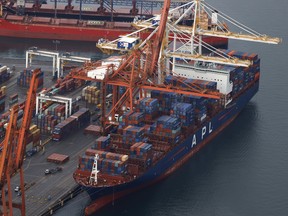
Port Chief Urges Climate Action to Tackle Trade Bottlenecks
The Port of Vancouver’s CEO, Robin Silvester, is urgently calling for the business community to confront the escalating impacts of climate change and proactively invest in infrastructure to mitigate future trade disruptions. This plea emerged during his annual remarks to the Greater Vancouver Board of Trade on November 25th, coinciding with a backdrop of unprecedented challenges underscored by a series of extreme weather events. The port has been grappling with substantial disruptions—including supply-chain bottlenecks and inflation—a situation intensified by record-breaking rainfall in British Columbia that has effectively severed crucial transportation routes.
Silvester’s address highlighted the undeniable link between climate change and the port’s operations. He emphasized that the escalating frequency and severity of events, such as the devastating atmospheric river that struck the Fraser Valley last week, are not isolated incidents but rather indicative of a global trend. The storm, bringing a month’s worth of rain in two days, submerged farms, wrecked highways and railways, and significantly hampered the flow of goods through the port—a vital entry point for trade across North America. Environment Canada is currently issuing warnings for another bout of potentially detrimental rains this weekend, further compounding these concerns.
The port’s struggle to maintain operations reflects a larger economic trend. Canada’s consumer price index rose by 4.7 percent year-over-year in October, the largest increase since 1991—the crucial year when the Bank of Canada initiated its commitment to keep inflation around two percent. The flooding has undoubtedly weighed on the Canadian economy’s recovery, exacerbating existing inflation pressures. Silvester articulated the critical need to expand container space and optimize logistics, given the vulnerabilities revealed during surges in demand exceeding capacity. “That should give us serious pause for thought, here in Canada,” he stated, advocating for a strategic shift towards resilience.
Silvester outlined concrete steps the port authority is taking to address these challenges. These efforts include a coordinated approach with federal and provincial governments, establishing a supply-chain recovery working group to tackle flood recovery and develop strategies for handling future climate events. Furthermore, the port is actively engaged in transitioning to cleaner fuels, initially through providing liquid natural gas supply to fuel ships, eventually transitioning to fuels like green ammonia and hydrogen. The port is deploying two technologies already: biodiesel ferry fuel and battery-electric powered terminal tractors. The Clean Technology Initiative, in partnership with the provincial government, is also providing funding for trials and adoption of low- and zero-emission technologies, a key component of the port’s revitalization strategy.
Beyond immediate crisis response, Silvester emphasized long-term infrastructural developments. The port is prioritizing corridor improvements and data collection to avoid the heavy backlogs seen globally. Improvements to container storage and distribution centers are being actively pursued, aiming to enhance the flow of goods and strengthen the port’s capacity to respond to demand. The focus extends to proactively monitoring climate risks and building adaptive infrastructure capabilities. The Port of Vancouver, as one of North America’s most significant import and export gateways, is acutely aware of its role in the global trade system and the resultant vulnerabilities to weather-related disruptions.
The port’s leadership is emphasizing a multi-faceted approach, integrating technological innovation, infrastructure investments, and strategic partnerships to promote long-term stability and preparedness. Silvester’s call for action underscores the urgent need to address climate change’s impact on global trade, and highlighted the importance of proactive measures to safeguard the Port of Vancouver and the Canadian economy.
