
South Korea Seeks Emergency Budget of $8.4 Billion to Cushion Trade Disruptions
South Korea Sets Aside Extra $8.45 Billion in Emergency Budget to Counter Global Trade Shifts and Support Smaller Businesses
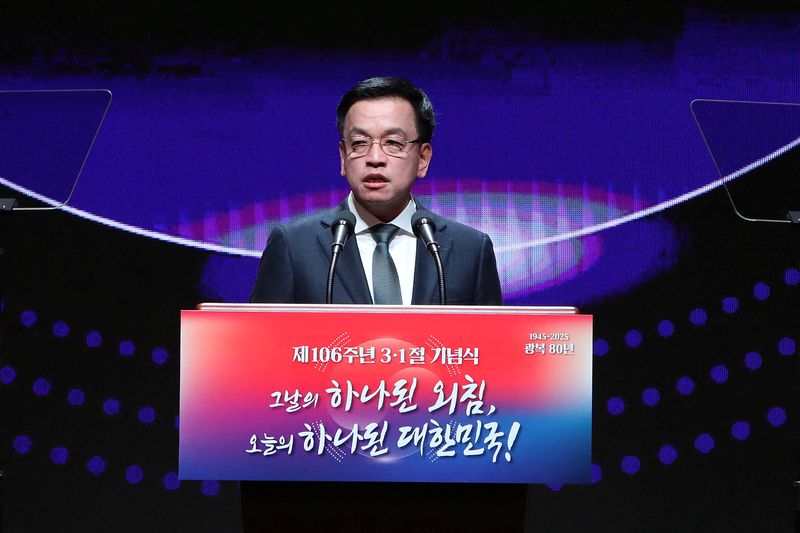
As part of a sweeping effort to shore up its economy, South Korea has announced plans to draw up an additional emergency budget of 12 trillion won ($8.45 billion) to respond to the rapidly changing global trade environment, support smaller businesses, and provide relief to regions hit by recent natural disasters. According to Finance Minister Choi Sang-mok, the proposed supplementary budget doubles the initial allocation of 10 trillion won previously submitted for parliament’s approval.
One key component of this supplemental spending is a provision allocating 4 trillion won to address the shifting global trade landscape. With its major trading partners experiencing significant economic shifts and uncertainties, South Korea seeks to bolster its own position through investments in strategic sectors such as technology, manufacturing, and services. By injecting more capital into areas such as export promotion and industrial development, the government aims to enhance South Korea’s competitiveness on a world stage characterized by trade tensions and protectionist policies.
The ministry also highlighted the need for targeted support to smaller businesses that are vulnerable to disruptions caused by global market shifts, recent natural disasters, and other economic challenges. Smaller companies in industries ranging from manufacturing and agriculture to logistics and tourism were considered particularly at-risk and eligible for specific financial assistance under this budget. Moreover, provisions were made for relief efforts and recovery initiatives aimed at affected regions following the devastation of recent floods, landslides, and wildfires that have impacted various parts of South Korea.
Minister Choi appealed to members of parliament to promptly approve the supplemental budget with bipartisan support to ensure timely allocation of resources and execution of planned projects. By emphasizing the importance of unity and swift action in navigating this critical economic climate, he underscored the government’s commitment to proactively addressing emerging challenges through strategic policy decisions.
The proposed emergency budget and associated measures are being watched closely by South Korea’s business community and foreign investors alike as signals of the nation’s resilience and ability to pivot against adverse global conditions. Given the current state of heightened uncertainty and protectionism across major economies, international observers will be scrutinizing the effectiveness of these strategies in helping South Korea maintain its hard-won competitive edge.
Key Allocation Breakdown
- Global Trade Response: 4 trillion won
- Small Business Support: Allocation specifics not fully disclosed; emphasis on providing targeted relief due to ongoing global market shifts and recent natural disasters.
- Emergency Relief and Recovery: Further details not available; regional support initiatives underway following previous significant weather-related events.
Strategic Investments in Technology and Services: A Shift Toward Innovation
With the aim of bolstering its international competitiveness and leveraging the rapid advancements in technology, South Korea is shifting a sizeable portion of its emergency budget towards strategic investments in key sectors. While exact figures were not provided for each category, it was acknowledged that major allocation areas include:
- Tech Sector Support: Aimed at promoting homegrown innovation, enhancing infrastructure, and supporting local startups.
- Digitalization Initiatives: Allocation details omitted; part of efforts to boost competitiveness through digital transformation across various industries.
- Export Enhancement Programs: Targeting regions heavily reliant on exports for economic stability, as affected by global trade tensions.
The comprehensive supplemental budget reflects South Korea’s proactive stance in navigating a turbulent economic landscape. The emphasis on both short-term crisis management and strategic long-term investments underscores the nation’s commitment to adaptability and resilience in the face of shifting global conditions.
