
Spain Imposes 100% Tax on Non-EU Home Buyers
Spain is implementing a significant policy change targeting non-European Union residents seeking to purchase property within the country, proposing a tax structure that would impose a 100% tax on house purchases. This unprecedented measure reflects a growing concern regarding speculation and the impact of foreign investment on the Spanish housing market, particularly in regions like the Balearic Islands and Madrid. Prime Minister Pedro Sánchez announced the proposal on Monday, citing the need to address a perceived imbalance created by the substantial number of non-EU buyers – approximately 27,000 individuals in 2023 – who were purchasing properties not for residential purposes but for investment and profit-making endeavors. The government believes this practice was contributing to a crisis and preventing affordable housing options for local residents.
The rationale behind the policy draws inspiration from tax regimes utilized in Denmark and Canada, demonstrating a willingness to adopt strategies employed in other nations grappling with similar concerns. Prime Minister Sánchez emphasized that the move was intended to counteract what he perceived as a detrimental trend, asserting that the current situation was unsustainable. He highlighted the importance of safeguarding the Spanish housing market for its original residents and ensuring that property remains accessible. The government’s ambition is to create a more equitable market where local populations benefit, rather than facing competition from investors solely focused on financial gains. This proactive stance represents a considerable departure from previous approaches to addressing the housing market challenges in Spain.
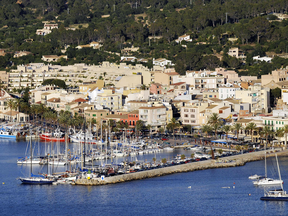
The Balearic Islands, with their extensive Mediterranean coastline, have long been a popular destination for international buyers, particularly British citizens, who represent the largest group of non-EU property purchasers. For years, the region has attracted residents from northern EU nations and the United Kingdom, drawn to locations such as Andalusia and Valencia, where properties were often sought for retirement or as holiday homes. However, since Brexit, British citizens face additional barriers compared to buyers from countries like Germany or the Netherlands, leading to a more complex purchasing process. Simultaneously, in Madrid, a growing market for wealthy Latin American buyers has emerged, significantly increasing property values across the capital city and contributing to rising costs for local residents. The influx of these buyers, along with short-term rental practices and an increase in high-end residential properties, has exacerbated the existing housing shortage and contributed to the problem of affordability.
Spain is facing a severe shortage of new homes, with the Bank of Spain estimating a need for approximately 550,000 new residences over the next two years to meet demand. The government’s commitment to constructing approximately 90,000 new houses annually falls short of addressing this shortfall. Alongside this policy change, the government is implementing a broader strategy to tackle the housing crisis. This includes relocating thousands of houses currently held by the country’s bad bank into a newly established housing agency, alongside plans to provide state-backed financial guarantees to young renters. The government recognizes that the issue of housing supply is a critical component of the overall challenge and aims to adopt a multifaceted approach to incentivize construction and support affordable housing initiatives. This bold initiative reflects a commitment to stabilizing the Spanish housing market and ensuring its long-term sustainability, while simultaneously addressing the needs of its residents.
