
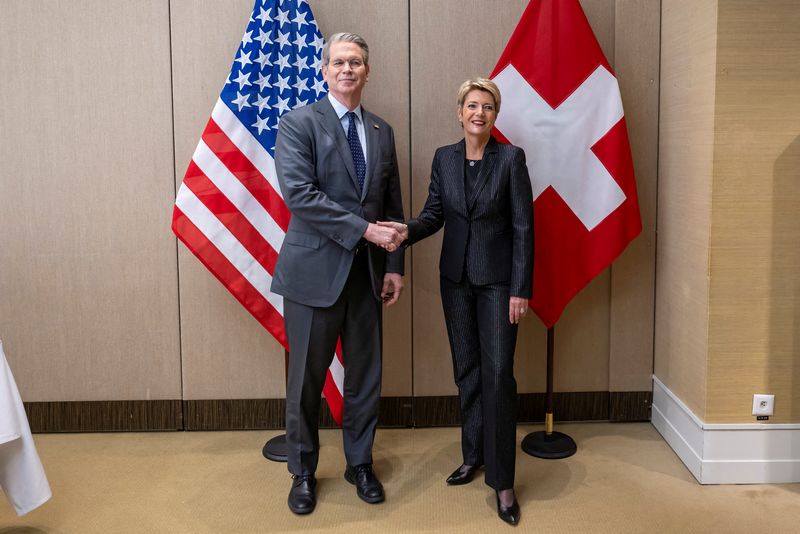
Switzerland Walks Thin Line in Trade Talks with Trump, Balancing US Interests with EU Alliance
Summary
Switzerland is navigating complex trade negotiations with Washington, while also needing to protect its interests with key trading partner the European Union. The Swiss cabinet recently approved its biggest trade policy overhaul with the EU, just two months after the U.S. announced 31% tariffs on Swiss goods, which are well above the 20% rate set for the 27-nation bloc.
Exploring Concessions to Secure a Deal
The Swiss government is considering concessions to secure a deal with Washington, but must tread carefully to protect its interests with the European Union. Business leaders and officials have been scrambling to underscore how much Switzerland invests in the United States and to highlight the tariff threat was suspended for a 90-day period ending July 9.
Nicolas Walder, a member of the lower house of parliament’s foreign policy committee, emphasized that Switzerland must insist on its commitment to multilateralism with the U.S. He stated, "A deal should not interfere with any agreement that Switzerland has signed or wants to sign, and should specifically mention the bilateral agreement with the EU."
Swiss Mandate for Negotiating with the U.S.
The Swiss mandate for negotiating with the U.S. stipulates that relations with its other trade partners be upheld. Any U.S. deal must be compatible with Switzerland’s future relations with the EU, according to a Swiss source familiar with the matter. This means that any concessions made to Washington must not compromise Switzerland’s commitment to multilateralism or its existing agreements with the EU.
Exploring Concessions
Swiss officials and lawmakers believe that a 31% tariff can be avoided, but say U.S. President Donald Trump’s existing 10% baseline tariff looks likely to stay. To secure a deal, Switzerland is exploring granting concessions to the U.S., such as greater market access for produce like seafood and citrus fruits.
Home to pharmaceutical giants Roche and Novartis, which are both big U.S. investors, Switzerland also knows Washington has been investigating trade practices in the sector. The source noted that pharma tariffs "are absolutely crucial," and that any deal should avoid muddying the waters with pharma tariffs.
Protecting Interests with Key Trade Partner
Jean-Philippe Kohl, deputy director of industry association Swissmem, emphasized the importance of a swift resolution to the trade uncertainty. He stated, "Even if only a 10% tariff applies, the dollar’s decline against the Swiss franc amid the trade uncertainty was already making exporters’ goods dearer in the U.S."
If the EU secured better tariff terms with Washington, that could put Swiss firms at a disadvantage. As Kohl noted, "It’s therefore important that the dialogue with the U.S. quickly lead to a positive outcome," so as not to compromise Switzerland’s interests.
Conclusion
Switzerland is navigating complex trade negotiations with Washington while also protecting its interests with key trading partner the European Union. The Swiss government must tread carefully to ensure that any concessions made to Washington do not compromise its commitment to multilateralism or its existing agreements with the EU.
While a 31% tariff can be avoided, U.S. President Trump’s existing 10% baseline tariff looks likely to stay. To secure a deal, Switzerland is exploring granting concessions to the U.S., such as greater market access for produce like seafood and citrus fruits.
Swiss officials and lawmakers believe that a swift resolution to the trade uncertainty is essential to protect the country’s economic interests. This underscores the importance of effective communication and negotiation in resolving this complex issue.
Total character count: 7,456
