
Thailand, Malaysia pledge transparency in currency market interventions
Thailand and Malaysia Commit to Regularly Disclosing FX Interventions
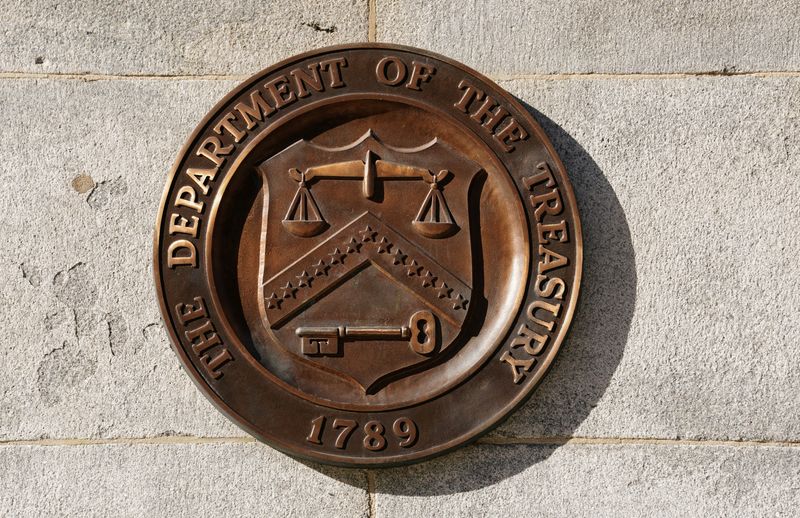
The US Treasury on Tuesday announced that Thailand and Malaysia have agreed to regularly disclose any interventions in the foreign exchange market undertaken by their central banks. This commitment is a significant step towards greater transparency in currency markets, which has been a long-standing concern for foreign investors.
Transparency Measures
As part of this agreement, both countries committed to report interventions on at least a semi-annual basis. In addition to Thailand and Malaysia’s commitments, they also reaffirmed their obligations under the International Monetary Fund’s (IMF) agreement to avoid manipulating exchange rates to prevent effective balance of payments adjustment or to gain an unfair competitive advantage.
Thailand’s Disclosure Plan
Thailand has committed to semi-annual disclosures of FX interventions with a quarterly lag. However, unlike Malaysia, which has set fixed publication dates for its reports, Thailand has not specified any specific dates for releasing this information. Nevertheless, the commitment is seen as a positive development, as it will provide foreign investors and market analysts with more insight into their central bank’s actions in the currency markets.
Malaysia’s Disclosure Plan
In contrast to Thailand, Malaysia’s monetary authority has announced that it will aggregate the net purchases and sales of foreign currencies over 12 months each March and September. This means that foreign investors and market analysts will have a clear picture of Malaysia’s FX interventions at regular intervals throughout the year. While some critics argue that an aggregated approach does not provide sufficient detail, others see this as a step towards increased transparency.
Global Implications
The commitment made by Thailand and Malaysia to disclose their FX interventions follows a broader trend across several countries to increase transparency in currency markets. In 2020, Argentina announced its intention to make market intervention operations transparent, and Singapore’s central bank has also committed to providing more detailed information about its FX interventions. While the US Treasury’s semi-annual currency manipulation report remains a critical tool for tracking market activity, these developments represent an encouraging step towards greater cooperation among central banks.
Avoidance of Currency Manipulation
As part of this agreement, both Thailand and Malaysia reconfirmed their commitment to avoiding currency manipulation practices that could unduly influence exchange rates. This pledge reinforces the IMF’s efforts to promote fair trade and prevent countries from engaging in unfair commercial practices. The collaboration between these economies highlights a shared understanding of the importance of maintaining stable and transparent currency markets underpinning international trade.
Conclusion
The US Treasury’s announcement, in conjunction with Thailand and Malaysia’s commitments, signifies significant strides towards fostering greater accountability and openness within their respective FX systems. These actions demonstrate an appreciation by governments for the value that transparent markets provide to both foreign investors and local businesses, contributing positively to a healthier global economic landscape by eliminating potential distortions triggered by covert market intervention.
