
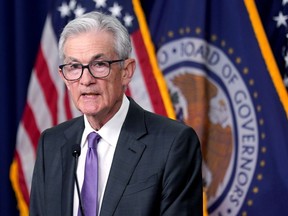
The Federal Reserve has once again lowered interest rates, with the aim of supporting economic growth.
The U.S. Federal Reserve announced a quarter-percentage point reduction in its benchmark lending rate on Thursday, a move aimed at sustaining the nation’s economic expansion. Following a larger, half-point cut in September, this latest adjustment reflects the committee’s judgment that the risks to achieving its employment and inflation goals are relatively balanced. The economic outlook remains uncertain, and the Federal Open Market Committee is attentive to potential risks on both sides of its dual mandate. The decision comes as the U.S. economy demonstrated robust growth at a 2.8 percent annual rate during the third quarter, fueled by an increase in consumer spending, and alleviates concerns about weakening labor markets.
Labor Market Conditions and Inflation Progress
Since earlier in the year, labor market conditions have generally eased, and the unemployment rate has moved up but remains low. The Fed’s statement indicates a focus on sustained progress toward its inflation target of 2 percent. Inflation has made notable headway toward the central bank’s goal, with the rate of price increases decreasing to 2.1 percent in September, slightly above the target. The Fed’s preferred gauge of underlying inflation experienced its largest monthly increase since April, suggesting a continued trend of inflationary pressure.
Fed’s Strategic Shift
The Committee’s decision reflects a shift toward a more measured and cautious approach to rate cuts. Following an initial, significant adjustment to ease monetary policy, officials are now prioritizing a careful and deliberate strategy. This approach recognizes the uncertainties surrounding the economic outlook and the potential for a rapid escalation in interest rates should the economy prove more resilient than anticipated.
Contextual Factors and Future Outlook
The Fed’s actions are influenced by several factors. Donald Trump’s recent re-election, promising aggressive tariffs, immigration crackdowns, and tax cuts, could put upward pressure on prices and long-term interest rates, potentially prompting the Fed to scale back rate reductions. The Fed Chair, Jerome Powell, will deliver opening remarks and take questions at a press conference scheduled for 2:30 p.m. Washington time.
Market Reactions and Economic Data
Following the announcement, the S&P 500 index of U.S. stocks remained higher, while Treasury yields climbed rapidly in the lead-up to the election, pushing up mortgage rates in an already chilled housing market. The S&P 500 reached a record high in the wake of Trump’s victory. Labor market data indicates that employers added just 12,000 jobs in October, restrained by severe weather and a major strike, and prior months’ figures were revised lower. The robust economic recovery, coupled with these data points, creates a complex picture for the Fed’s future policy decisions.
Conclusion
The Federal Reserve’s decision signals a continued effort to maintain economic momentum while carefully monitoring inflation and labor market indicators. The evolving economic landscape, influenced by political shifts and ongoing economic data, will undoubtedly shape the Fed’s strategy moving forward.
