
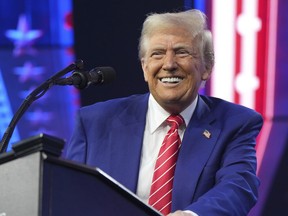
The Trump team is reportedly considering reducing the scope of universal tariffs.
Trump’s transition team is considering a revised approach to tariffs, moving away from a blanket 10 to 20 percent tariff plan initially proposed, according to a report published by The Washington Post. The assessment, based on discussions with three unnamed individuals involved in the deliberations, suggests a more targeted strategy focused on critical imports rather than a sweeping overhaul of global trade. This shift comes as the incoming administration grapples with potential economic repercussions and seeks to address concerns surrounding national security and economic resilience.
The proposed strategy would prioritize goods deemed essential for the U.S. economy and national security. Discussions have centered on sectors such as the defense industrial supply chain – including steel, iron, aluminum, and copper – as well as critical medical supplies – encompassing items like syringes, needles, and pharmaceutical materials. Furthermore, the incoming administration is reportedly considering imposing tariffs on energy materials, specifically batteries, rare earth minerals, and solar panels. This targeted approach contrasts with the earlier plan, which envisioned tariffs on a broader range of goods.
The shift underscores a pragmatic reaction to the initial, universal tariff proposals, which economists predict could drive up consumer prices and distort global trade patterns. This revised strategy is intended to mitigate some of the potential negative economic consequences while still addressing concerns about trade imbalances and reliance on foreign supply chains. The focus on strategic goods – those vital to defense and medical supplies – reflects a prioritization of U.S. security interests.
The move has already had an impact on global financial markets. Following the Post’s report, the U.S. dollar experienced a decline against major currencies, with the Bloomberg Dollar Spot Index falling by 0.9 percent—its largest drop since November. The euro also rallied significantly against the dollar. This volatility reflects investor uncertainty surrounding the potential for increased trade barriers and their impact on inflation and interest rates. Furthermore, bets on potential U.S. Federal Reserve interest rate cuts increased, driven by concerns about the disruption of the global trade system.
Bloomberg Economics previously anticipated three waves of tariff hikes, initially starting in summer 2025, with levies on China potentially tripling by the end of 2026, and a smaller hike on the rest of the world – focused on intermediate and capital goods that don’t directly impact consumer prices. This revised strategy represents a more cautious approach, recognizing the potential ramifications of widespread tariffs.
Companies are already adjusting their strategies in response to the uncertainty surrounding Trump’s plan. Some are accelerating orders from new suppliers and renegotiating contracts to mitigate potential tariff impacts, leading to increased imports and disruptions within global supply chains. This proactive behavior highlights the significant level of concern and the far-reaching potential consequences of the incoming administration’s trade policy.
With just two weeks remaining before Donald Trump’s inauguration, the debate and uncertainty surrounding these tariff plans are proving to be a major source of stress within the global trade environment, creating questions about the outlook for inflation and interest rates. The transition team’s shift towards a more targeted strategy suggests an attempt to balance ambitious goals with a recognition of the potential economic instability.
