
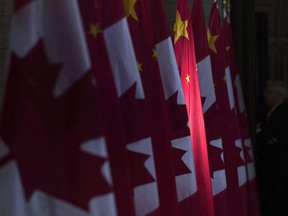
Trudeau Shifts Strategy: Canada Demands More from China
Canada’s approach to China is shifting, a pragmatic response to a reality the government has increasingly recognized: China is an authoritarian power, not a prospective partner in democratic values. After two years of detainments and three years of strained relations following the arrest of Meng Wanzhou, Canada is moving toward a more measured approach, prioritizing accountability rather than attempts at diplomatic appeasement.
Canada’s Evolving Strategy
This shift marks a significant departure from the earlier, more transactional strategy. The core of China’s continued economic influence, particularly its position as the second-largest buyer of Canadian goods and minerals, remains a powerful reality. However, the government’s acknowledgement of China’s coercive tactics, exemplified by President Xi Jinping’s use of “coercive diplomacy,” is a pivotal change. The goal is now to hold China accountable to international obligations, a stark contrast to the previous effort to secure a “progressive” trade deal.
Key Elements of the New Framework
François-Philippe Champagne, Canada’s foreign affairs minister until recently, articulated this shift with the declaration that Canada would “work with partners to hold the Chinese government accountable to its international obligations.” This commitment is central to the framework being established. It’s intended to move beyond simply feeling good and focus on tangible action.
Addressing Past Missteps
The early years of the relationship were marked by a misjudgment of China’s intentions and a failure to secure a favorable outcome. The detention of Michael Kovrig and Michael Spavor, following the arrest of Meng Wanzhou, added significant fuel to the current tensions. However, the government is now recognizing the detrimental impact of these actions, particularly the rekindling of a “us-versus-them” impulse within some political circles.
Moving Towards a Realistic Approach
The appointment of Dominic Barton as Canada’s ambassador to Beijing, a consultant with deep knowledge of China, represents a step towards a more sophisticated strategy. Coupled with discussions among experts, the government’s approach is becoming more nuanced, avoiding unnecessary confrontations.
Avoiding Unproductive Disputes
The opposition to joining the Quadrilateral Security Dialogue (Quad), the ban on Huawei Technologies Co. Ltd. gear from Canada’s 5G networks, and the decision to cease participation in the Beijing-led Asian Infrastructure Investment Bank (AIIB) are all part of this measured approach. While some, like Opposition critic Michael Chong, advocate for more assertive measures – advocating for admission to the Quad, a Huawei ban, and withdrawal from the AIIB – the government is attempting to avoid actions that could further exacerbate tensions without producing tangible results.
Recognizing Real-World Consequences
Ultimately, this new strategy recognizes the global economic significance of China. As the Canadian canola shippers demonstrated, attempting to avoid conflict is a more sensible approach. Adapting production and shipping routes in response to China’s retaliatory measures prevented greater economic damage. Avoiding unproductive disputes and focusing on constructive engagement is critical for Canada’s long-term economic interests.
Finally, the government’s aim isn’t simply to “make us feel good” as the early attempt had done. Instead, the focus is on achieving something concrete – holding China accountable for its international obligations, ensuring Canada’s economic wellbeing, and safeguarding human rights.
