
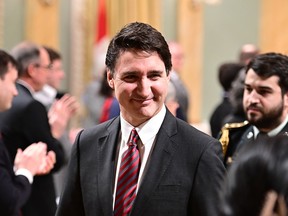
Trudeau’s Absence Fuels Liberal Anxiety as He Remains Outside Canada
The political landscape of Canada is currently dominated by a single, pressing question: when will Prime Minister Justin Trudeau return to public life and address the mounting concerns within his Liberal Party? Following Chrystia Freeland’s abrupt resignation, a letter critically detailing her concerns about the Prime Minister’s leadership, the country’s top politician has largely remained out of sight, leaving anxious Liberal lawmakers urging his departure. This situation underscores a significant decline in the Liberal Party’s polling numbers, particularly as an election year approaches.
The pressure to act stems from a number of factors. Liberal representatives from Quebec, Trudeau’s home province, have explicitly requested his resignation, mirroring a similar call from those in Ontario. Furthermore, members of the House of Commons, including Rob Oliphant from Toronto, have publicly voiced their concerns, asking Trudeau to step aside and allow for a robust leadership contest. This reflects escalating discontent over the Prime Minister’s protracted handling of the current challenges. The urgency is amplified by the anticipated return of Donald Trump to power in Washington D.C. and the potential for economic disruption, specifically the possibility of a 25 percent U.S. tariff on Canadian imports, which could significantly impact the Canadian economy.
A key underlying concern is the damage to Trudeau’s personal brand, as highlighted by Nik Nanos, founder of Nanos Research. Nanos noted that the initial focus was on Trudeau’s own brand, particularly as it relates to the significant polling slump. However, he now believes the more immediate issue is the potential damage to the party brand itself, particularly given Trudeau’s perceived reluctance to swiftly address the crisis. This extended period of uncertainty is creating a sense of increasing instability within the Liberal ranks. A leadership race could take three months to run, but even under ideal circumstances, it would likely involve a longer timeline.
The political dynamic is further complicated by the prospect of a forced election if the Liberal Party fails to resolve its internal divisions. If the opposition parties successfully trigger a vote of no confidence, Trudeau’s government would face a national election. The Liberal Party’s worst showing to date occurred in 2011, when they secured only 19% of the popular vote, translating into just 34 of 308 seats. It was only after a change in leadership that Justin Trudeau was thrust into the role. Now, Nanos suggests that Trudeau may be returning the party to a state of “political wilderness” at the next federal election. The Liberal Party faces a considerable hurdle in regaining public favour, even with a new leader, and would likely require a significant shift in opinion to retain most of its current seats, let alone maintain government. The situation demands decisive action from Trudeau, but his prolonged silence and apparent hesitancy continue to fuel the growing anxieties within his own party and raise serious questions about the stability of the Liberal government.
