
Wildfires Drive Lumber Price Surge Fears
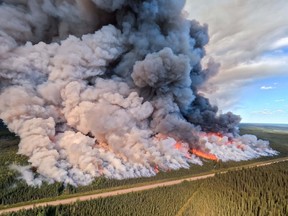
The Canadian lumber market is facing a potentially significant and sustained impact due to the unusually widespread and intense wildfires currently burning across much of the country. According to John Duncanson, executive vice-president and timber analyst at Corton Capital Inc., the situation is already having a “significant impact” on the sector, and he anticipates that this effect will not only persist throughout the current fire season but also extend well beyond it. The scale of the blazes, which are occurring across British Columbia, Alberta, Quebec, and other provinces, is creating substantial disruptions to timber harvesting operations and, consequently, supply chains. These fires are not just destroying vast areas of forest; they are also impacting critical infrastructure, including roads and logging camps, further exacerbating the logistical challenges faced by the lumber industry.
The surge in lumber prices is a direct consequence of these disruptions. As timber inventories are depleted due to the immediate destruction of forests, and as operational delays mount due to impassable roads and evacuation orders, the availability of lumber for construction and other uses has dramatically decreased. Demand remains relatively high, fueled by ongoing housing construction and industrial needs, creating a sharp imbalance between supply and demand. This imbalance is pushing lumber prices upwards, much faster than previously anticipated. The situation is particularly acute in regions directly affected by the fires, where access to timber resources has been completely cut off, leading to soaring prices for those few shipments that are able to reach markets.
Market analysts are predicting that the impact won’t be short-lived. While fire season is typically concentrated in summer months, the effects of these large-scale burns will continue to reverberate through the lumber industry for months, perhaps even years, as it takes time for forests to regenerate and for damaged infrastructure to be repaired. The sheer volume of timber lost—estimated to be tens of millions of cubic meters—presents a tremendous challenge for the Canadian lumber sector. Furthermore, the unpredictable nature of wildfires, combined with the substantial time required for reforestation, introduces significant uncertainty into long-term projections for timber supply. Factors beyond the immediate fire damage, such as changes in forest management practices following the fires, could also add to the complexity of the situation.
The economic ramifications of these disruptions are extending beyond the lumber industry itself. Construction projects are being delayed, and the cost of building materials is increasing, contributing to inflationary pressures. Many communities reliant on forestry for employment and economic activity are facing hardship. Government agencies are actively engaged in assessing the damage and exploring strategies to mitigate the impact, including emergency relief programs and support for affected forestry workers. There is also a growing focus on sustainable forest management practices and fire prevention strategies, recognizing the increasing vulnerability of Canada’s forests to climate change and the need for proactive measures to protect this vital resource. The long-term implications for the Canadian economy, particularly in sectors dependent on timber, are expected to be considerable.
The situation highlights the growing vulnerability of Canada’s natural resources to the effects of a changing climate. The increased frequency and intensity of wildfires are placing unprecedented strain on the nation’s forests and the industries that depend on them. Addressing this challenge requires a multifaceted approach, including aggressive efforts to reduce greenhouse gas emissions, investment in forest fire prevention and management technologies, and a renewed commitment to sustainable forestry practices. The impact of this fire season is a stark reminder of the interconnectedness between the environment, the economy, and the livelihoods of Canadians. The industry and governments are grappling with how to manage the disruption and navigate the complex challenges posed by this unprecedented event.
