
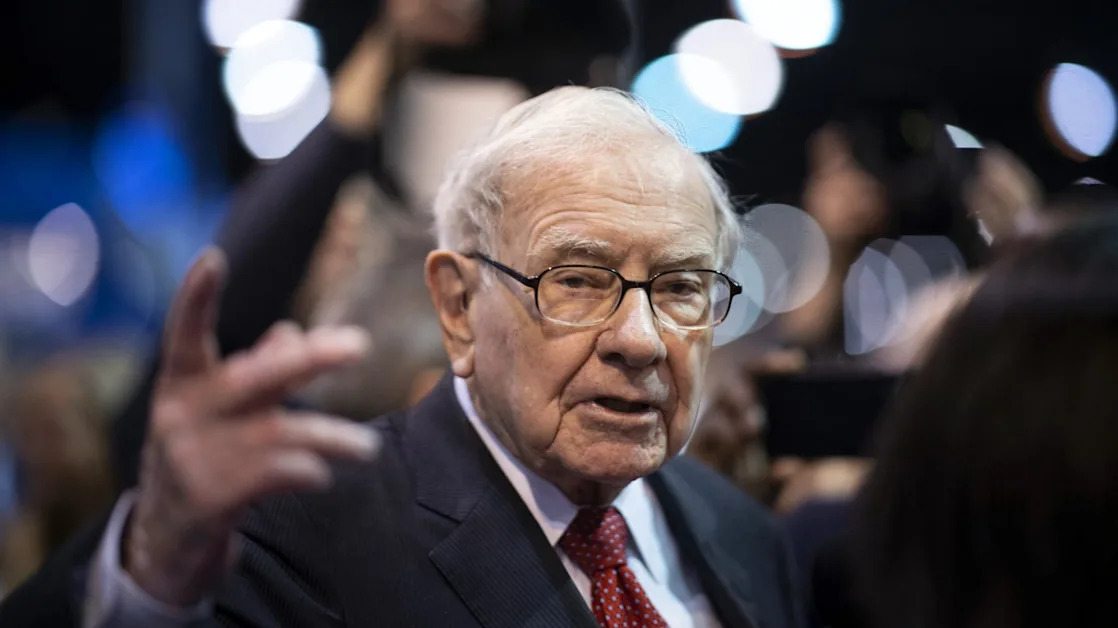
Warren Buffett is investing more money in Japan amid the recent selloff in the U.S. stock market
Warren Buffett’s Berkshire Hathaway is investing more money in Japan amid the recent selloff in the U.S. stock market.
The conglomerate increased its holdings in Japan’s five biggest trading houses, according to Japanese regulatory filings published on Monday.
Berkshire grew its stake in
Mitsui
to 9.82% from 8.09%, in
Mitsubishi
to 9.67% from 8.31%, in
Marubeni
to 9.3% from 8.3%, in Sumitomu to 9.29% from 8.23%, and in
Itochu
to 8.53% from 7.47%.
Buffett has likened them to them to Berkshire itself, noting they have a diverse array of investments at home and abroad.
Berkshire began building positions in the
sogo shosha
in 2019 and recently reached an agreement with them to gradually go beyond an earlier 10% cap on its stakes. At the end of 2024, the market value of Berkshire’s holdings in the firms totaled $23.5 billion.
In his
annual letter to shareholders
last month, Buffett said that “our admiration for these companies has consistently grown,” citing appropriate dividend hikes, sensible share buybacks, and compensation for top managers that’s “far less aggressive” compared to the US.
“I expect that Greg [Abel] and his eventual successors will be holding this Japanese position for many decades and that Berkshire will find other ways to work productively with the five companies in the future,” Buffett added, referring to his
designated replacement as CEO
.
While the additional Japanese investments were disclosed on Monday, the exact timing of the transactions is unclear, though the annual letter in late February telegraphed what was coming.
The company didn’t immediately respond to a request for comment.
In contrast, Berkshire sold a net $134 billion in equities in 2024, ending the year with a cash pile of $334.2 billion—nearly double from a year ago and more than its shrinking stock portfolio of $272 billion.
Meanwhile, U.S. stocks began nose-diving in mid-February after President Donald Trump began imposing tariffs; he has since continued rolling out more. So far, he has hit China, Canada, Mexico, steel, and aluminum with higher duties, and reciprocal tariffs are due April 2.
The
Nasdaq
has tumbled into correction territory, and the S&P 500 also passed the correction threshold last week but soon pared its decline to less than 10% from its peak.
That’s left investors wondering if Buffett will finally make a major purchase of stock or clinch a mega-deal for a company after complaining for years that valuations have been too high.
But analysts told
Fortune
earlier that
a big splash is still unlikely
as valuations haven’t gone down far enough, noting that Buffett usually prefers to be patient.
“He has no interest in timing the market’s bottom, nor does he chase short-term rebounds,” Armando Gonzalez, founder of AI-powered research platform Bigdata.com, said. “Instead, he waits for moments when fear drives prices to levels where the risk-reward equation tilts decisively in his favor.”
